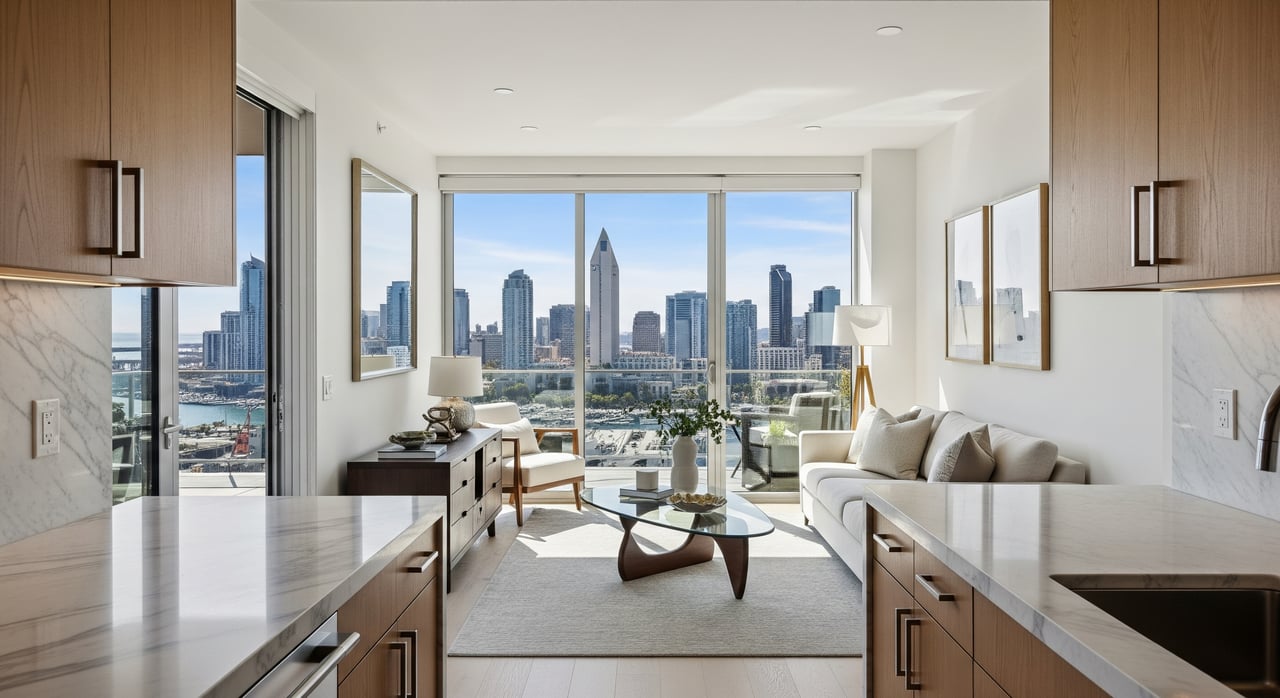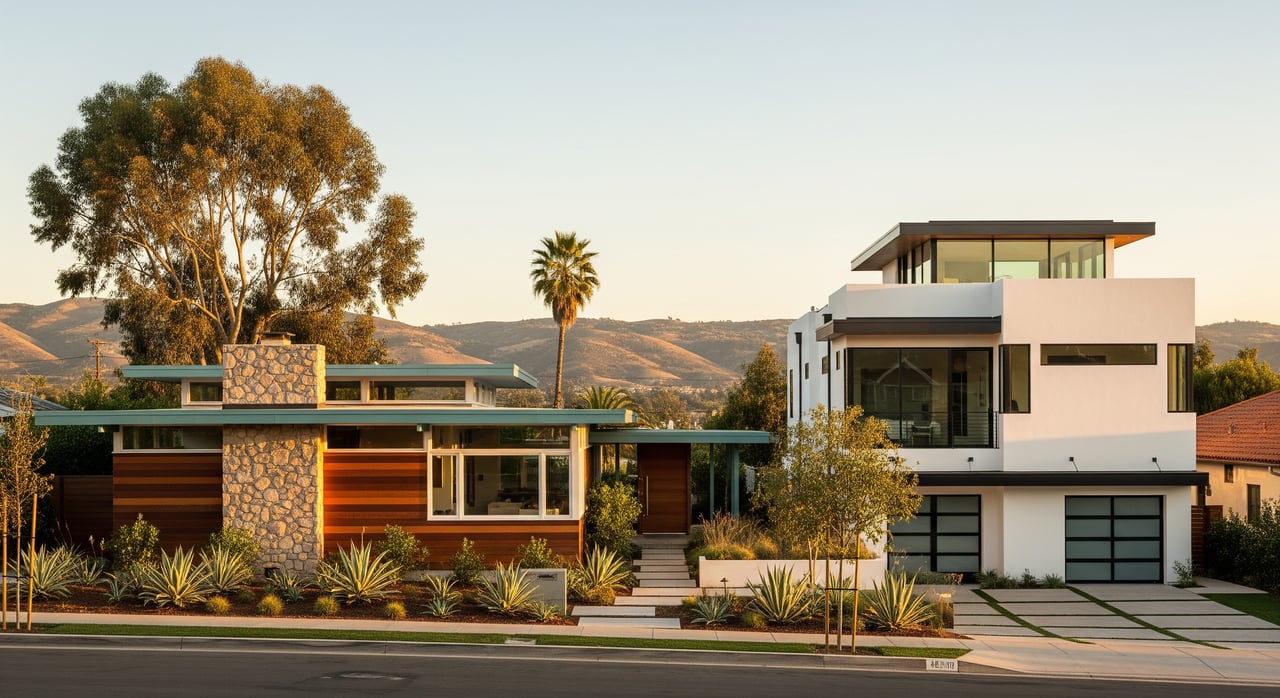
Torn between a sleek new build and a classic mid‑century charmer in La Mesa? You are not alone. Each path offers real advantages, from energy savings and warranties to larger lots and single‑level layouts. In this guide, you will learn how to compare costs, maintenance timelines, permits, and resale so you can choose the right fit for your lifestyle and budget. Let’s dive in.
La Mesa housing at a glance
La Mesa is an older inner‑ring suburb of San Diego with a strong mix of post‑war single‑family neighborhoods and pockets of infill new construction. Proximity to La Mesa Village, the San Diego Trolley, parks, and central San Diego shapes how buyers prioritize features and resale potential. Mid‑century homes from the 1940s to 1960s are common, often single‑story and on larger lots. New builds appear as infill singles or small projects.
If you enjoy local history and architectural context, the La Mesa Historical Society offers helpful background on era styles and neighborhood evolution.
Energy efficiency and systems
New construction expectations
New builds in California must comply with state energy codes. Under the state’s Building Energy Efficiency Standards, known as Title 24, most new single‑family homes include high‑efficiency HVAC, modern insulation, and windows that meet current U‑factor and SHGC requirements. Since 2020, rooftop solar is required on most new single‑family homes. These features can lower baseline utility use and reduce near‑term system upgrades. Learn more at the California Energy Commission’s overview of Title 24 energy standards.
Mid‑century realities
Original mid‑century construction predates today’s energy codes. Actual performance depends on past upgrades. Common needs include insulation improvements, window replacements, duct sealing, HVAC modernization, and sometimes an electrical panel upgrade to support today’s loads, such as EV charging or central air. Plan for staged energy upgrades if they are not already completed.
Warranties and buyer protections
New construction warranties
Builders typically offer limited warranties that may include 1 year for workmanship and materials, around 2 years for systems, and longer coverage for structural components, often up to 10 years. Exact terms vary by builder, so read the contract and warranty booklet closely and ask how to file claims and who handles service locally. For general context, see the National Association of Home Builders’ buyer resources on new‑home warranties.
Resale home norms
Mid‑century homes are often sold as‑is unless they have been updated. Some sellers provide a limited home warranty through escrow products, but major defects usually become the buyer’s responsibility after closing. A thorough inspection and clear repair negotiations are essential to reduce risk.
Maintenance timelines and big‑ticket items
All homes require care, and knowing typical component lifespans helps you plan. Actual life varies by installation quality, climate, and maintenance.
- Roof: about 20 to 30 years for asphalt shingles, longer for tile or metal.
- Water heater: about 8 to 15 years for tank models, longer for tankless with maintenance.
- HVAC equipment: often 12 to 20 years.
- Windows: typically 15 to 30 years, depending on material and quality.
- Electrical service and panels: older panels may need upgrades for safety and capacity.
What this means for you:
- New construction: major systems are new, so near‑term capital expenses are usually low. Focus on routine maintenance and warranty service windows.
- Mid‑century: plan for potential near‑term replacements of roof, HVAC, water heater, and electrical upgrades if systems are aging or original. Single‑story homes on larger lots can deliver strong long‑term value after improvements.
Lots, layout, and everyday living
Mid‑century strengths
Mid‑century neighborhoods often feature larger lots, mature landscaping, and more separation from neighbors. Many homes are single‑story with period details like hardwood floors or clerestory windows. If you value yard space, privacy, or future expansion, these lots can be compelling.
New construction strengths
New builds tend to prioritize modern open plans, larger primary suites, en suite baths, and energy‑efficient systems. Yards may be smaller, which reduces yard work and can concentrate square footage indoors. If you want turnkey living and up‑to‑date layouts, new construction fits well.
Remodel scope, permits, and ADUs
Permitting is a central part of planning improvements in La Mesa. The City’s Planning and Development Services department manages zoning, building permits, plan reviews, and ADU rules. Check setbacks, lot coverage, slope or hillside rules, and potential fees before you start. Review local guidance at the City of La Mesa’s Planning and Development Services.
- Mid‑century remodels: Cosmetic updates are usually straightforward, but opening floor plans or enlarging kitchens can involve structural changes, foundation considerations, and system upgrades. Older materials may require abatement for things like lead‑based paint or asbestos.
- New builds: Customization is generally limited to the builder’s upgrade menu or approved change orders during construction. After closing, smaller projects are the norm, and HOA rules may apply where relevant.
- ADUs: Larger mid‑century lots often allow ADUs, subject to local standards and utilities. Always confirm feasibility and utility capacity with the City before investing in plans.
Financing, appraisal, and insurance
- Financing: New construction may involve builder‑preferred lenders or construction‑to‑permanent loan structures. Infill appraisals sometimes have fewer direct comparables, which can require nuanced adjustments. Mid‑century homes typically qualify for standard mortgages, although lenders may require certain safety repairs.
- Insurance: Insurers look closely at age and condition. Older roofs, electrical systems, or plumbing can affect premiums and coverage. Factor this into your budget if systems are original.
Resale in La Mesa
La Mesa buyers often seek convenient access to La Mesa Village, the trolley, and central San Diego, along with yard usability and views. Both home types can resell well if matched to the right audience. New construction appeals to buyers who prioritize modern amenities and efficiency. Thoughtful, character‑aware renovations on mid‑century homes can attract design‑minded buyers and perform strongly in desirable neighborhoods.
Quick decision guide
Consider new construction if you want:
- Modern, open layouts with energy‑efficient systems and solar readiness.
- Lower near‑term maintenance and defined warranty coverage.
- A turnkey move with fewer early‑stage projects.
Consider mid‑century if you want:
- Larger lots, mature trees, and more outdoor privacy.
- Single‑level living and period character.
- The option to add value through targeted remodeling or an ADU, subject to permits.
Due diligence checklists
New construction checklist
- Review the purchase contract for pricing structure, change‑order process, timeline, deposits, and contingencies.
- Read the builder warranty in detail, including coverage, claim process, response timelines, and transferability.
- Verify mechanical, roofing, and solar documentation, and confirm whether the solar system is owned or leased.
- Order third‑party inspections, even if the builder conducts their own.
- If there is an HOA, read CC&Rs, fee schedules, and policies for architectural changes.
Mid‑century checklist
- Schedule a thorough home inspection, including roof, structure, electrical, plumbing, HVAC, foundation, slope, and pest. Add specialist inspections as needed, such as sewer scopes or chimney evaluations.
- Budget for near‑term projects if systems are dated. Obtain preliminary quotes for roof, HVAC, water heater, and panel upgrades.
- Check permit history for past renovations or additions. Unpermitted work can complicate financing and insurance.
- Evaluate lot constraints for future additions or an ADU. Confirm feasibility with La Mesa’s Planning and Development Services.
- Ask contractors about potential environmental abatement requirements and timelines before you finalize plans.
What to budget for
Remodeling costs in San Diego County are generally higher than national averages. Actual budgets depend on scope and materials, so collect multiple local bids before you commit.
- Small cosmetic updates like paint, flooring, and fixtures: often in the low tens of thousands, depending on scope.
- Kitchen remodels: ranges vary from a focused refresh to a full‑gut renovation, commonly from several tens of thousands to six figures for high‑end work.
- Bathroom remodels: midrange full baths often fall in the low tens of thousands, with larger primary baths and structural changes costing more.
- Additions or ADUs: plan for high five‑ to six‑figure budgets depending on size, site conditions, and utility upgrades.
For benchmarking and project value insights, see Remodeling magazine’s regional Cost vs. Value Report, then validate with current local bids.
See current examples
Inventory and pricing change week to week. For a live comparison, filter by “new construction” or by year built for the 1950s and 1960s on major listing portals, or ask us for a curated list that matches your budget, commute, and design goals. We will flag warranty details for new builds and lot size, upgrade history, and ADU potential for mid‑century homes.
Your next step
If you are weighing new construction against a mid‑century home, a clear plan makes all the difference. Our team can help you verify permits, review builder warranties, coordinate independent inspections, and source local contractor bids so you buy with confidence. For design‑minded buyers, we also provide guidance on layout changes, staging, and long‑term value strategy.
Ready to compare specific homes and costs side by side? Schedule a consultation with JAG Real Estate Lifestyle to get a tailored next‑step plan.
FAQs
What does Title 24 mean for a new La Mesa home?
- Title 24 sets California’s energy efficiency standards, which drive features like high‑efficiency HVAC, upgraded insulation and windows, and rooftop solar on most new homes; see the state’s overview of Title 24 standards.
How do remodel costs in San Diego compare to national averages?
- Regional projects often cost more than national averages; use the regional Cost vs. Value Report for benchmarking, then confirm with local contractor bids.
Can I add an ADU to a mid‑century lot in La Mesa?
- Many larger mid‑century lots can support ADUs, subject to zoning, setbacks, utilities, and plan review; confirm feasibility with the City of La Mesa’s Planning and Development Services.
What warranties typically come with new construction?
- Builders commonly offer 1 year for workmanship, about 2 years for systems, and longer structural coverage that can extend up to 10 years, though terms vary by builder; see NAHB’s resources on new‑home warranties.
Are mid‑century homes less energy efficient than new builds?
- Often yes if original, since they predate today’s energy codes; performance improves with upgrades like insulation, efficient windows, duct sealing, and modern HVAC, which you can plan over time.